
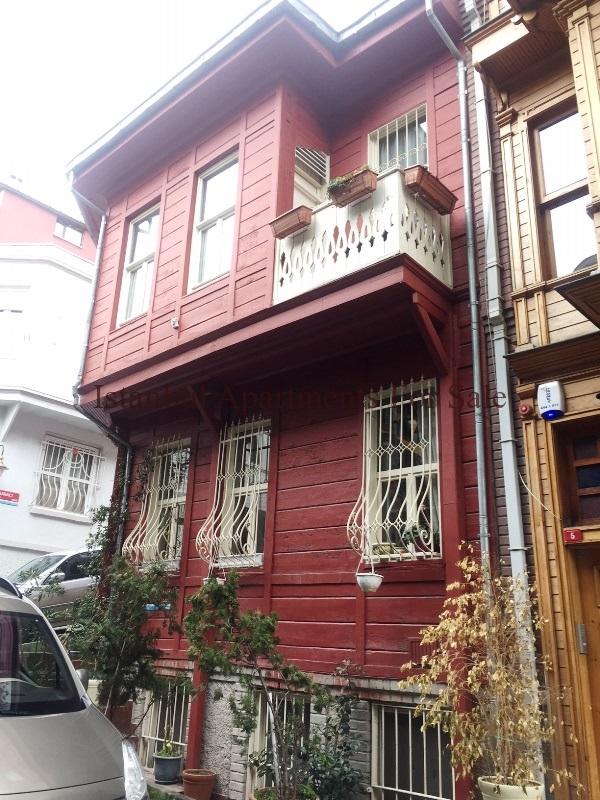
As one of the most vibrant cities in the world, Istanbul has long been a focal point for real estate investment among both local and international buyers.
Istanbul home prices
have evolved significantly over the years, shaped by economic conditions, urban development, demographic trends, and foreign demand.
Understanding how property prices move in Istanbul is essential not only for buyers and investors, but also for anyone tracking Turkey’s broader economic outlook.
This article explores the current state of Istanbul home prices, the main factors influencing them, and key trends to watch in the coming years.
The Current State of Istanbul Home Prices
In recent years, Istanbul has experienced noticeable growth in residential property values, particularly in central and well-connected districts.
As of late 2023, average residential prices in many parts of Istanbul have reached levels that reflect strong demand, rising construction costs,
and continued interest from both domestic and international buyers.
While prices vary widely by location and property type, Istanbul remains one of the most dynamic real estate markets in the region.
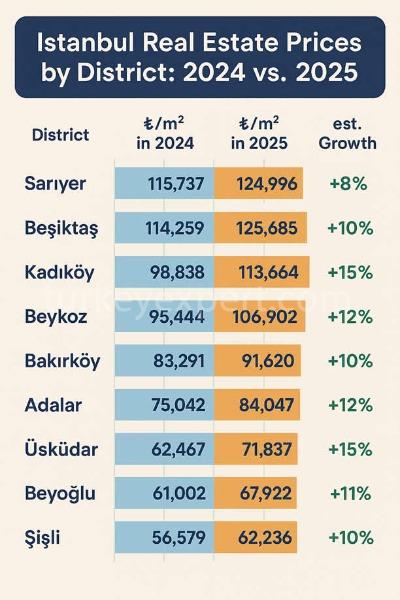
Central districts such as Beşiktaş, Kadıköy, and Şişli continue to attract strong demand due to their proximity to business hubs,
cultural centers, universities, and public transportation networks.
In these areas, a typical two-bedroom apartment can range from approximately 1.5 million to over 3 million Turkish Lira,
depending on factors such as building age, view, and amenities.
This ongoing demand highlights the importance of timing and neighborhood selection when entering the Istanbul property market.
Comparative Price Differences by Neighborhood
When analyzing
Istanbul home prices
,
it is important to recognize the substantial differences between districts.
Prime central neighborhoods generally command higher prices per square meter,
while developing or suburban areas often provide more accessible entry points for buyers.
These variations reflect not only location prestige but also infrastructure quality,
future development plans, and rental demand.
For investors, evaluating both current pricing and long-term appreciation potential is often more important than focusing on headline prices alone.
Key Factors Influencing Istanbul Home Prices
Several interconnected factors influence changes in
Istanbul home prices
.
Macroeconomic conditions play a major role, including inflation trends, interest rates, and currency movements.
Periods of higher inflation and financing costs can affect affordability,
while currency fluctuations often increase Istanbul’s attractiveness to foreign buyers.
Government policies also have an impact on housing demand.
Measures such as housing incentives, financing support, and regulatory adjustments
can temporarily stimulate buyer activity, especially in new-build and off-plan projects.
When combined with limited supply in central areas, these factors can contribute to upward price pressure.
Foreign Investment and Its Impact on Prices
Foreign investment has become an increasingly important component of Istanbul’s real estate market.
Buyers from the Middle East, Europe, and other regions continue to view Istanbul as a strategic location for both lifestyle and investment purposes.
Policies that facilitate property purchases by foreigners have further strengthened this trend.
In recent years, foreign buyers have accounted for a significant share of high-value transactions,
particularly in central districts and newly developed residential projects.
This demand has intensified competition for well-located properties and contributed to price growth in certain market segments,
especially in modern residences and branded developments.
Long-Term Trends in Istanbul Home Prices
Looking ahead, most analysts expect Istanbul’s property market to continue growing over the long term,
although at a more balanced and selective pace.
Large-scale infrastructure projects, urban regeneration initiatives,
and Istanbul’s young and growing population continue to support housing demand.
At the same time, changing lifestyle preferences—including increased interest in larger living spaces and suburban locations—
are reshaping demand patterns.
As a result, both central and peripheral districts may experience growth,
but at different rates depending on accessibility, quality of life, and development plans.
Common Misconceptions About Istanbul Home Prices
One common misconception is that all areas of Istanbul are uniformly expensive.
In reality, the city offers a wide spectrum of price points,
ranging from luxury waterfront residences to more affordable options in emerging neighborhoods.
Understanding these differences is key to making informed decisions.
Another misconception is that Istanbul’s real estate market is only suitable for high-net-worth buyers.
While premium properties receive significant attention, many districts still offer solid opportunities
for budget-conscious buyers seeking long-term appreciation and rental potential.
Expert Insights for Buyers and Investors
Real estate professionals consistently emphasize the importance of thorough research.
Evaluating neighborhood dynamics, future infrastructure projects, and comparable sales
can significantly improve investment outcomes.
Working with experienced local professionals can also help buyers navigate market nuances more effectively.
Experts further recommend focusing on long-term value rather than short-term price movements.
Properties located in areas undergoing transformation or infrastructure expansion
often provide stronger growth potential over time, even if they are less prominent today.
Conclusion
Istanbul home prices are shaped by a complex mix of economic conditions, foreign demand, government policies, and neighborhood-specific factors.
For buyers and investors, understanding these dynamics is essential to identifying the right opportunities.
With options ranging from central urban districts to developing suburban areas,
Istanbul continues to offer diverse possibilities for different budgets and investment goals.
Staying informed and approaching the market strategically can make a meaningful difference in long-term results.